
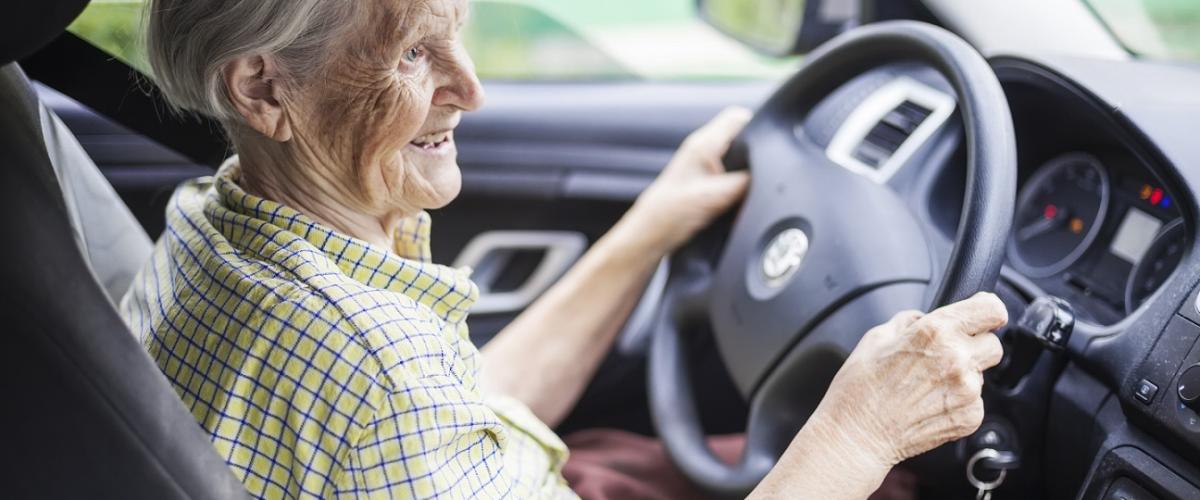
Aged 65 and over, mature drivers (also referred to as older drivers) represent a growing segment of America's licensed drivers but face an increased risk of traffic-related injuries and fatalities. In 2022, there were 7,870 people 65 and older killed in traffic crashes in the United States – the highest number of deaths since federal records began in 1975 (Overview of Motor Vehicle Traffic Crashes in 2022, National Highway Traffic Safety Administration).
GHSA PolicyClick here to view GHSA's Policy and Priorities on Mature Drivers |
Mature drivers often face impairments in three functions that affect driving abilities – vision, cognition and motor function:
- Vision
Adequate visual acuity and field of vision are critical for safe driving but tend to decline with age. Glare, impaired contrast sensitivity and increased time needed to adjust to changes in light levels are problems commonly experienced by mature drivers. - Cognition
Driving requires a variety of high-level cognitive skills, including memory, visual processing, attention and executive skills. Certain medical conditions (such as dementia) and medications that are common in the older population have a large impact on cognition. - Motor Function
Motor abilities such as muscle strength, endurance and flexibility are necessary for operating vehicle controls and turning to view traffic. Even prior to driving, motor abilities are needed to enter the car safely and fasten the seat belt. Changes related to age and diseases such as arthritis can decrease an individual's ability to drive safely and comfortably.
Changes in vision, physical strength and cognition can contribute to a loss of self-confidence in the ability to operate a motor vehicle. However, losing one's drivers license is equated by some older adults with a loss of independence and personal freedom. Faced with this choice, some mature drivers risk personal injury rather than give up their license.
According to the American Medical Association, mature drivers have a higher risk of traffic fatalities not only because they tend to be involved in more motor vehicle crashes per mile driven than middle-aged drivers, but also because they are more physically fragile than their younger counterparts.
State motor vehicle and local law enforcement agencies have different perspectives on the risks of mature drivers. As the driving population ages, states are enacting legislation putting certain restrictions on drivers.
National organizations, such as the AAA Foundation for Traffic Safety and AARP, have developed special programs to keep senior drivers safely in the drivers seat.
The AAA Foundation for Traffic Safety has developed the website Driver Licensing Policies and Practices, which contains an online database of state driver licensing policies and practices affecting older and medically-at-risk drivers. This free resource also includes innovative programs that licensing officials, policymakers and others can use to address the needs of older and medically-at-risk drivers.
News tagged with Mature Drivers

Related News

Featured Initiative
Tennessee Older Driver Safety Awareness Week
The Tennessee Highway Safety Office (THSO) held an Older Driver Safety Awareness Week to support and encourage safe transportation among an aging population of drivers.Read More
Facts & Figures

Laws
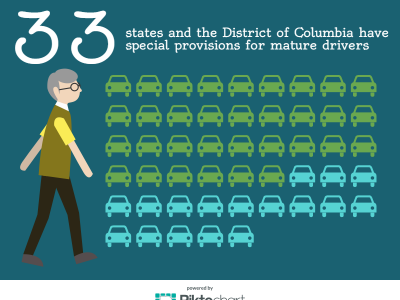
As a result of impairments in functions important for driving, older drivers have a higher crash risk than middle aged adults. To address this issue, many state driver licensing laws have specific provisions for older drivers.